Home / Thirty changes / One part of the shape changed / Inland Arcadia
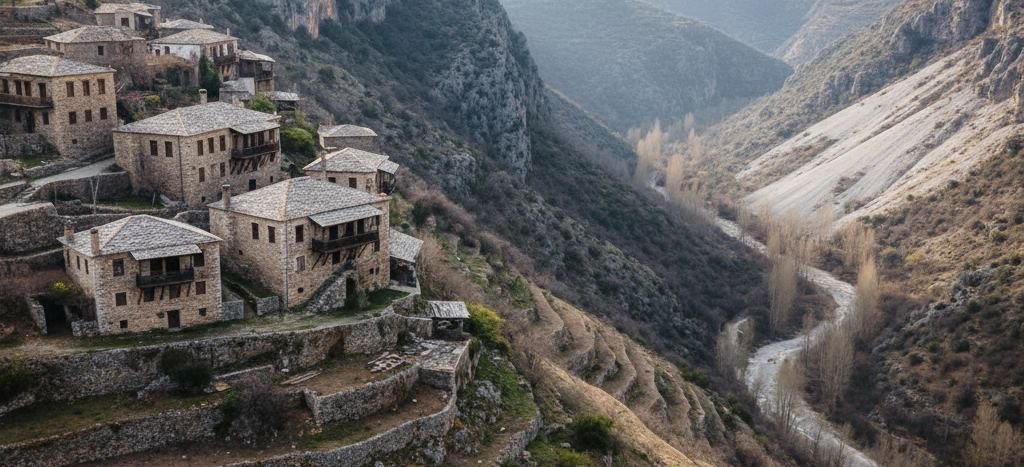
The house shape with the transfer stretched
Inland Arcadia shoulder season trips reserved through a travel agent, four hours from where you land
The house shape stops two hours from where you land. This one keeps driving. Inland Arcadia shoulder season trips reserved through a travel agent trade the short transfer for a long one and leave the rest alone: eight nights, one base you unpack into once, a hire car, two people, from $2,260. The fourth hour is the whole of the difference.
| What it breaks | four hours from the airport, not two |
|---|---|
| Nights | 8 instead of 8 |
| Places you sleep | 1 |
| Car | a hire car, as the shape has it |
| From where you land | 4 hours |
| Season | shoulder |
| People the figure is built on | 2 |
| How far from the shape | one part changed |
| Two sharing pay | from $2,260 |
What breaks, and what replaces it
The part that goes is the transfer. Everything else in the house shape holds: eight nights, one base you unpack into once, a hire car, out every day and back to the same bed, shoulder season, two people. What is gone is the two hour drive from where you land. What stands in its place is four, and three quarters of the effort sits in the last sixty kilometres. Arcadia is the interior of the Peloponnese and it has no airport of its own. You land at Athens, collect the car on the airport perimeter, and the road does the rest: about 250 kilometres to the villages on the western flank of the Menalon range, most of it toll motorway running west through the isthmus at Corinth and then south across the plateau to Tripoli, then one hour that no amount of pressing on will shorten. That last hour is the price of the whole idea. Nothing in Arcadia is near a runway, which is why the villages still look the way they do, and why the coach traffic that fills Nafplio and Epidaurus by ten in the morning stops well short of Stemnitsa.
The fourth hour
Three of the four hours are dull in the useful sense. The ring road out of the airport, then the motorway west, the canal crossing at Corinth, then the run south to Tripoli at a steady 120 with toll booths every twenty minutes or so; budget twelve to fourteen euro each way and keep coins in the door pocket. Tripoli sits at 650 metres and the plateau around it holds fog in the early morning and again after dark in both April and October. The fourth hour begins where you leave the motorway. Sixty kilometres of two lane road, no hard shoulder, switchbacks with drops on the outside and stone gutters on the inside, slow trucks, loose sheep, and stretches resurfaced last year sitting next to stretches resurfaced last decade. A small car is the right car; the lanes in the villages were laid out for mules. Average speed on that section runs between forty and fifty kilometres an hour, and it does not improve with familiarity. Fill the tank at Tripoli. Village pumps keep short hours and several close on Sunday. Mobile signal drops in the gorges and comes back on the ridges, so the maps want downloading before you leave the motorway rather than after.
Menalon, and the gorge under the villages
The base sits between 900 and 1,100 metres, in one of the stone villages strung along the mountain: Dimitsana on its ridge, Stemnitsa on the slope opposite, Zatouna and Elati smaller again, Vytina with more shops and less quiet. Houses are grey limestone with slate roofs and wooden balconies, lanes are stepped and too narrow for a car, so you park at the edge of the village and carry the bags in. The Lousios runs in a limestone cut below the two main villages, roughly 300 metres deep and narrow enough at the bottom that the sky is a strip. Monasteries are built into the cliff face partway up, reached by paths cut into the rock. The older one was abandoned long ago and the newer one is still occupied; each is about two hours on foot from the nearest road head, and the walk between them along the river is the single thing most people remember about the week. Above all of it runs a waymarked path of about 75 kilometres in eight sections, the first route in Greece to earn a European long distance certification, in 2015. The sections run village to village, three to six hours each, and the two ends of a section are close enough by road that you can walk one and still sleep in the same bed.
What the eight days actually consist of
Day one is the drive and a late dinner. Day eight is the drive back, and it wants an early start. The six days between are short drives and long walks. Karytaina, with its castle on a spur above the river, is half an hour. The temple at Bassae, under a tent since 1987 and standing at 1,130 metres in wind that rarely stops, is an hour and a quarter. Ancient Olympia is an hour and a half west through Langadia. Ancient Messene is two hours south, a very large site with a stadium you can walk down into and almost nobody in it before eleven. Mystras, the Byzantine town on the slope below Sparta, is two hours as well, and it is a stiff climb once you are there. The sea is two hours away in either direction, which makes it a day rather than an afternoon. Most people go once and are glad they did not plan for twice. Kitchens in the villages stop taking orders around ten at night. Winter hours at the archaeological sites shut the gates in mid afternoon and the summer schedule runs to early evening, with April and October falling somewhere between the two, so the ruins are a morning job and the walking fills the rest of the day.
Shoulder season at nine hundred metres
Altitude changes what shoulder season means. On the coast, April is warm. At 950 metres it is 14 to 18 degrees by day and close to 5 at night, and old snow can sit in the gullies on the north side of the range into the middle of the month. October runs 17 to 21 by day, and the first serious rain usually arrives in the last week of it. When that rain comes it comes hard, and the gorge path is not where you want to be on that particular afternoon. The practical consequences are small and worth knowing. Bring a fleece and something waterproof. Ask whether the room has real heating rather than a fireplace that is there to be looked at, and ask before the booking is placed rather than after. Water in the village comes out cold at seven in the morning. A fair amount of the walking is on wet limestone, which is slick under a smooth sole, so boots matter more here than they would at sea level. None of that is a warning. It is the reason the interior is empty in April and busy in August, and the office would rather say it now than have you work it out on day three.
What is inside $2,260, and who this suits
From $2,260 covers eight nights for two in a stone guesthouse room with breakfast, and a small hire car for the full stay with a second driver added. It does not cover your own flights into Athens, fuel, tolls, site tickets or dinner. The figure sits below the house shape number, and the office does not put that gap forward as a reason to choose one over the other; interior room rates are what they are, and the extra driving is not free either, in fuel or in daylight. Cedar Passage takes no payment for any of this and holds no card details. The room and the car are confirmed in your names with the suppliers, you settle with those suppliers directly, and they pay Cedar Passage a commission afterwards. That is the whole of how the office earns, and it is why the quote you get has no fee of ours inside it. It suits two people who both drive, who like a mountain road, and who would rather be walking at four in the afternoon than lying down. It does not suit anyone landing after six in the evening on day one, anyone who wants sand within reach of the door, or anyone who has to be back at the airport in ninety minutes. Say which of those you are when you make the request and the week gets built accordingly.
Awkward questions about this change
- Can we do this without a hire car?
- No. There is a coach from Athens to Tripoli and a thin local service beyond it, once or twice a day and not at all on some Sundays, and it would set you down in a village square four kilometres from the path head with no way back before dark. The whole shape of the week rests on driving out in the morning and returning to the same bed at night. If neither of you wants four hours at the wheel on arrival and then mountain roads for six days, this is the wrong departure from the house shape, and the office will say so on the phone rather than quote it and hope.
- Will you arrange the flights into Athens?
- No. Cedar Passage arranges no flying and no sailing, and carries no carrier contract of any kind, so the flights are yours to buy, in your own names, direct. What the office does with them is ask for the arrival time before quoting, because a ten in the morning landing and a seven in the evening landing produce two entirely different first days on this itinerary. Send the times once you have them and the room and the car are built around them, including the question of whether the first night ought to be somewhere else altogether.
- Does the four hour drive cost us a day?
- Most of one, yes. A ten in the morning landing puts you at the base by about four, allowing for lunch and a supermarket stop, which is enough for a walk round the village and dinner but not for anything with an opening time. An evening landing means the last sixty kilometres in the dark on unlit switchbacks, which is possible and unpleasant. The eight nights are counted from the night you arrive, so day one goes to the road either way. People who do this a second time tend to take the earliest flight out and the latest one home.
- Only one of us drives. Does that rule it out?
- It does not, but it changes the week and it should be said at the start. Four hours after a flight and then six days of switchbacks, all falling on one person, is a genuine load, and that person will want a day in the middle with the keys left on the table. The usual answer is to plan two of the eight days with no car at all, walking from the door, and to move the return so the long drive is not the last thing that happens after packing. Build it that way from the beginning rather than discovering it on day four.
- The price is lower than the house shape price. Is that a discount?
- No, and the office will not dress it up as one. Room rates in the interior sit where they sit, and the difference is roughly two extra tanks of fuel and a set of tolls, so by the end of the week the two shapes tend to land within a few dollars of each other. Choose between them on what you want to be doing on a Wednesday afternoon, not on the opening figure. If you want to see both properly, ask for the two quotes in the same reply and read them next to each other, with the driving hours written in.
Others that move the shape about as far
There is no package on this site that somebody has not already asked for, and the thirty in the book are the requests that came back more than once.
-
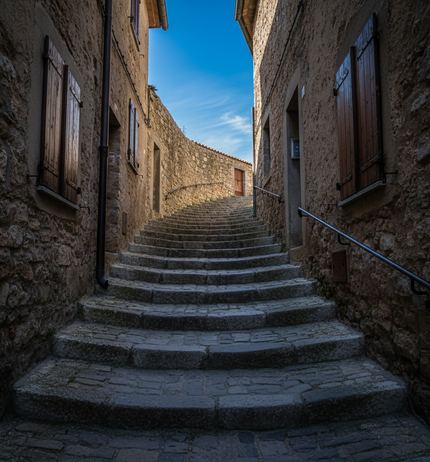
The Umbrian hill country
Italy · twelve nights instead of eight
from $2,890 two sharing one part changed -
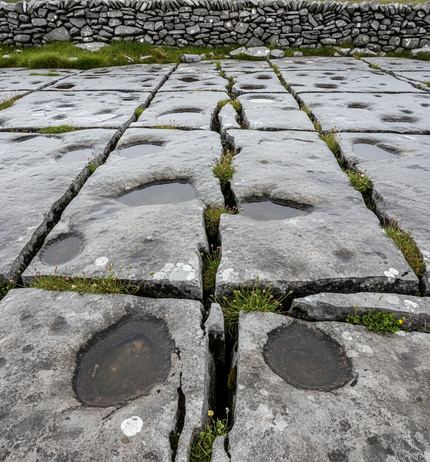
The Burren and south Connemara
Ireland · a driver instead of a hire car
from $3,140 two sharing one part changed -
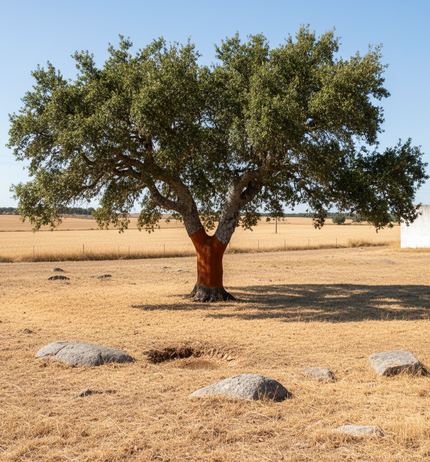
The Alentejo plain
Portugal · five nights instead of eight
from $1,690 two sharing one part changed -
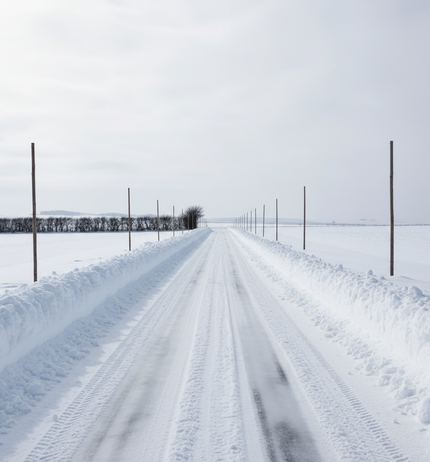
The Jura plateau
France · deep winter instead of shoulder season
from $2,410 two sharing one part changed -
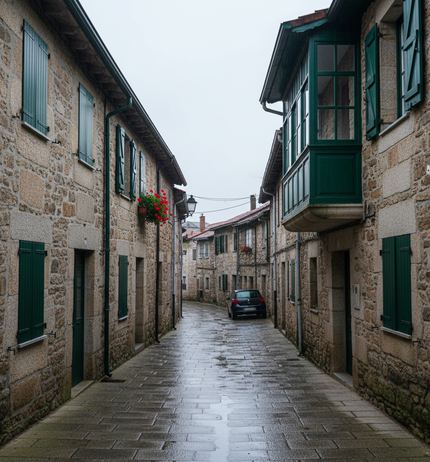
The Asturian coast road
Spain · four of you instead of two
from $2,180 two sharing one part changed -
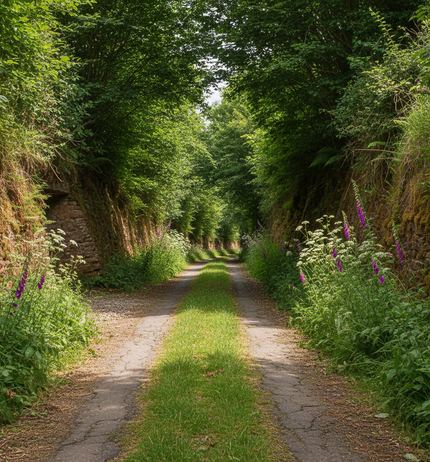
The Welsh Marches
Wales · high summer instead of shoulder season
from $2,520 two sharing one part changed -
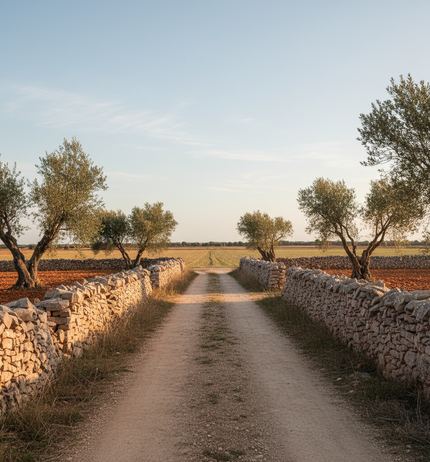
The heel of Puglia
Italy · one person instead of two
from $2,740 two sharing one part changed -
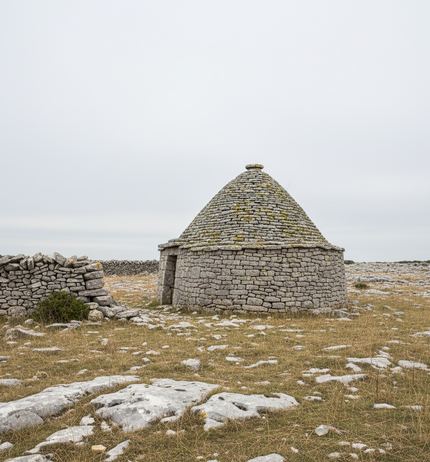
The Aveyron causses
France · sixteen nights instead of eight
from $3,880 two sharing one part changed -
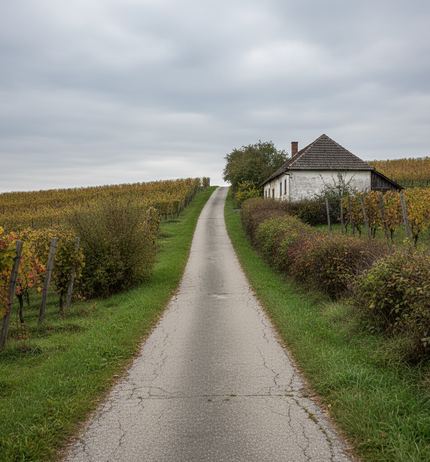
Eastern Slovenia and the Prekmurje
Slovenia · no car at all, trains and a bicycle
from $2,050 two sharing one part changed
Ask for this change in writing
Not a cent moves through here. The supplier bills you under its own name, and what this office earns reaches it from that supplier weeks later.