Home / Thirty changes / Almost nothing of the shape left / The white towns, one town at a time
The house shape with the car taken out
Seven towns, fourteen nights, and no car keys: book a fourteen night Andalusia trip by bus
The house shape holds one base for eight nights and a set of car keys. This trip keeps neither. It is fourteen nights, seven towns, two nights in each, and every move made on a regional coach. If you want to book a fourteen night Andalusia trip by bus, this is what changes and what it costs: from $2,960 per person, two sharing.
| What it breaks | seven bases, fourteen nights, buses |
|---|---|
| Nights | 14 instead of 8 |
| Places you sleep | 7 |
| Car | no hire car |
| From where you land | 4 hours |
| Season | shoulder |
| People the figure is built on | 2 |
| How far from the shape | almost nothing of the shape left |
| Two sharing pay | from $2,960 |
What breaks, and what stands in for it
Three parts of the house shape go at once. The single base goes, and seven towns take its place, two nights in each. Eight nights become fourteen. The hire car goes, and a timetable stands in for it: regional coaches between the towns, bought at the counter or from the driver on the day for three to nine euros a leg, plus one car with a driver for the single link where no useful service runs. The two hours from the airport become four, and that is connection rather than distance. The first town lies about ninety minutes from the nearest airport by road, but the coach that serves it leaves from a city bus station rather than the terminal, so the day contains a local bus, a wait of forty minutes or so, and then the run east. The price is from $2,960 per person, two sharing, against $2,340 for the house shape. The $620 covers six further nights and breakfasts, the driven leg, and the work of fitting seven arrivals to services that do not all run every day. Coach fares, lunches, dinners and your own flights sit outside it. Money never moves through Cedar Passage. Each hotel and the car firm bill for their own part in the ordinary way, and the office is paid a commission by them once you have travelled. The figure is confirmed at booking, not here.
The ground under the seven towns
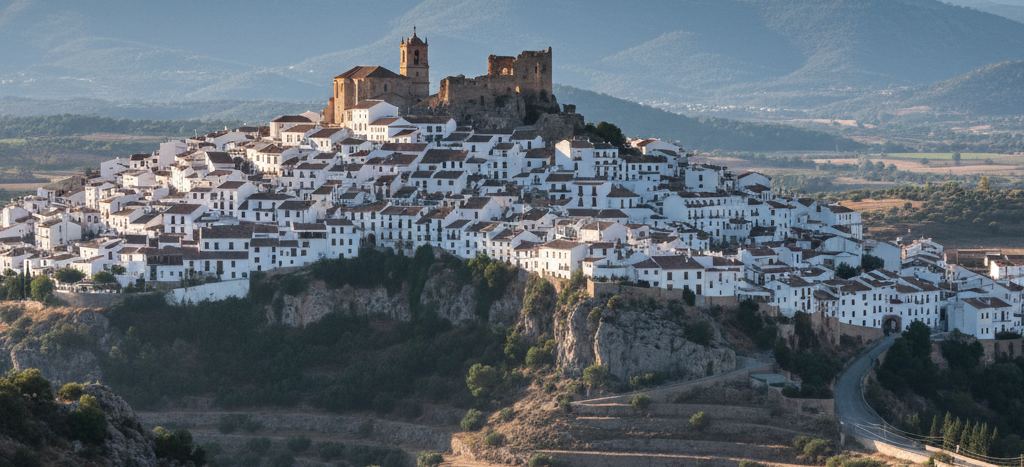
The seven stand in the Sierra de Cadiz, at the western end of the white town belt, with Ronda just over the line into Malaga province. The rock is limestone, pale and fissured, and the towns sit on it rather than beside it. Arcos de la Frontera holds a ridge above the Guadalete, and the terrace at the top of the old town looks down about 100 metres of cliff to the river bend. Ubrique lies in a cleft below the crags, still cutting and stitching leather in small workshops, with a paved Roman road climbing four kilometres from it to Benaocaz. Grazalema sits at 823 metres under the Penon Grande. Zahara de la Sierra keeps a tower above a green reservoir, and the road joining it to Grazalema crosses the Puerto de las Palomas at 1,357 metres in hairpins the coach takes slowly. Setenil de las Bodegas is built along the Trejo under overhanging rock, so that a street can carry a ceiling of stone several metres thick. Olvera has a castle and a heavy church on one hill and, below them, the head of a rail trail laid on a line that was graded, tunnelled and never opened: 36 kilometres of it, thirty tunnels, four viaducts. Ronda ends the fortnight, split by a gorge, its bridge standing roughly 98 metres above the river bed.
Timetables, and what the moving days ask
Six of the fourteen days are moving days, and none of them is long. The longest run, Arcos to Ubrique with a change at El Bosque, is a shade under two hours for about 50 kilometres of road. Most of the rest take between 30 and 70 minutes. The catch is frequency, not duration. Several of these links carry two or three departures a day, the first around seven in the morning and the last in the middle of the afternoon, and some drop to one on Sundays or disappear on a local holiday. The sequence moves on weekdays for that reason. One leg, Zahara north to Olvera, has no service worth the name at all, so a local car firm covers it with a driver. The coaches are single deck with a locker under the floor. Seats are not numbered on the short runs, and cash is easier than a card. Stops are rarely at your door: in Zahara and in Setenil the coach halts on the road below the town, which leaves a climb of ten to fifteen minutes with your luggage in hand. Timetables are reissued twice a year and bent by fiestas. The office sends the current ones a fortnight before you go and checks them again in the week you travel.
Seven rooms in fourteen nights
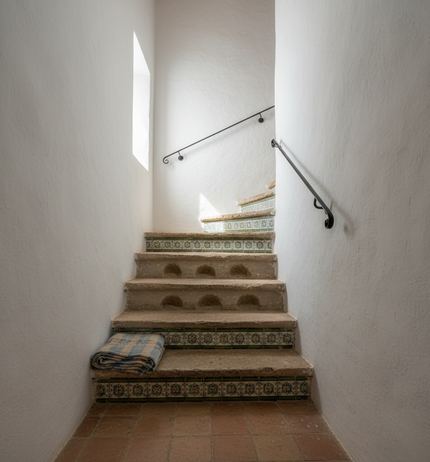
Unpacking once is what this trip gives up. You will open and close a bag seven times and carry it over cobbles and up stairs six times. The rooms are in small family hotels and guesthouses of eight to twenty rooms, taken inside the old towns rather than out on the approach roads, and that choice is the reason for the stairs: buildings of two or three floors, thick lime washed walls, tiled treads hollowed in the middle, no lift in four of the seven. Fifteen kilograms each, in one bag you can wheel and also sling, is the working limit. People who bring more pay for it in temper on the hill at Setenil. The compensations are ordinary and real. Breakfast is a table rather than a buffet in most of them, and coffee arrives when somebody makes it. You are in the town at seven in the evening when it fills, and again at eight in the morning when the doorsteps are being washed down, which is not the case when a car takes you back to one valley every night. Laundry can be done twice, in Grazalema and in Olvera, where there are places that take it in and hand it back the same evening.
Shoulder season on limestone
Shoulder season here runs late March to early June, and mid September to early November. In April the valley towns reach 21 or 23 degrees by mid afternoon and fall to 8 or 9 overnight; at 823 metres in Grazalema, take four or five degrees off both figures. October is warmer in the day, around 24 to 26, and the light goes early. July and August reach 38 to 40 in the lower towns, and the office does not sell this fortnight then, because six moving days and a walk every morning in that heat are not a holiday. The other half of the picture is water. Grazalema records more than 2,000 millimetres of rain a year, most of it between November and March, and a shoulder week can still take one full wet day and two half ones. Cloud sits on the sierra at first light and lifts by noon, or does not. Nothing on this page is a forecast and no weather is promised. Waterproofs and boots with a proper sole are on the list the office sends, and two of the walking days have low level alternatives for when the tops are in cloud.
Who this suits, and who it does not
It suits people content to be on foot all day and to let a timetable decide the shape of the morning. Two nights is enough to watch a town wake and settle and not much more, so it suits a reader who would rather collect seven first impressions than one long acquaintance. It suits walkers of ordinary fitness: the daily routes run 8 to 16 kilometres with 300 to 600 metres of climb, on stone tracks and old mule paths that are dry underfoot for most of the season. And it suits people who travel light by preference rather than by instruction. It does not suit anyone with a knee or a hip that objects to stairs and steep cobbles. It does not suit anyone who likes to sit down at breakfast and change the day, because the coach that leaves at 8.15 is the one that exists. It does not suit families with a child young enough to need a fixed nap in the afternoon, and it does not suit a traveller who wants a pool waiting each evening, since two of the seven have one and five do not. If any of that reads as a problem, the house shape is still on the table and the office will say so plainly.
Awkward questions about this change
- Will you book my flights?
- No. This office does not fly people or float them, and has no arrangement with anybody who does, and will not quote you for one. What it does is fix the fourteen nights, the seven rooms, the driven leg and the walking days, and then tell you which two hours of which day you need to be standing in the arrivals hall for the sequence to work. You arrange your own flights around that. If the times you find push the first day, say so and the itinerary is rebuilt around them before anything is confirmed.
- What happens if a coach does not turn up?
- Now and then one does not, usually on a local holiday nobody mentioned. On most of the six links there is a second departure two to five hours later, and the room is held either way: the office tells the hotel and you arrive at eight in the evening instead of two in the afternoon. On the link with a single daily service the fallback is a car from the same firm that drives the Zahara leg, roughly 60 to 80 euros for the two of you, paid to the driver. It is outside the price because most people never call on it.
- Can I keep the fourteen nights and stay in three towns instead of seven?
- Yes, and it becomes a different thing that the office prices on its own. Four or five nights each in Arcos, Grazalema and Ronda runs on the same coaches, drops four of the moving days, and lets you walk out and back from one door for a stretch at a time. The figure changes, mostly because the driven leg falls away and the room count drops from seven to three. It also puts four of the seven towns out of reach on foot, and one of those is Setenil. Ask for it by name in writing and it comes back with dates and a price.
- How much walking is in a normal day?
- Between 8 and 16 kilometres, with 300 to 600 metres of ascent, spread across five to seven hours including stops and a long lunch. Two days are deliberately short, the ones that follow a move. Surfaces are limestone track, old paved mule path and some road walking at either end. Two routes inside the park need a permit, issued free by the park office and capped by number; the office requests them when the booking is confirmed, and if they are refused there is an alternative of similar length on the same day.
- We do not want to eat dinner at ten at night. Is that possible?
- It needs planning rather than hoping. Kitchens in the smaller towns serve from about 1.30 to 4 in the afternoon and open again at 8.30 or 9 at night, and outside those hours you get a bar counter and whatever is on it. Three of the seven hotels will put a plate together from seven if you ask at breakfast, and the sheet you are sent marks which three. The other four will not, and the honest answer for those nights is that the main meal happens at two o'clock and something small follows later.
Others that move the shape about as far
There is no package on this site that somebody has not already asked for, and the thirty in the book are the requests that came back more than once.
-
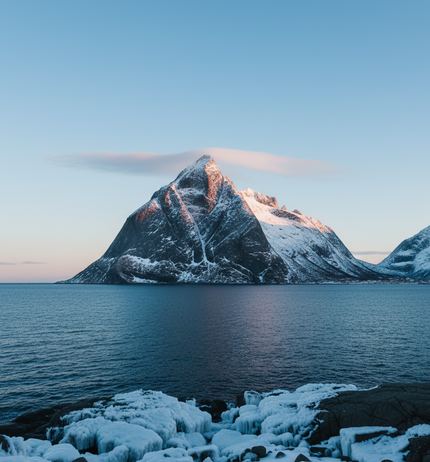
Lofoten in the dark months
Norway · four bases, seven nights, no daylight to speak of
from $3,960 two sharing almost nothing of the shape left -
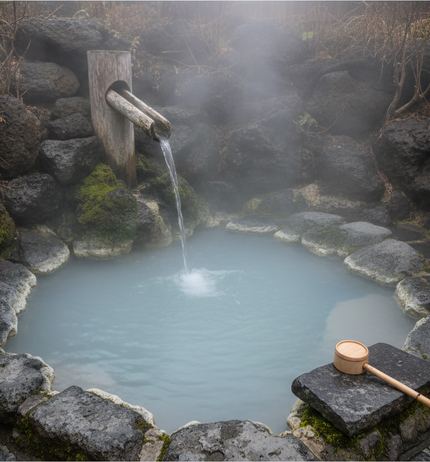
Kyushu, the hot spring line
Japan · six bases, sixteen nights, trains, no car, no fixed bed
from $5,240 two sharing almost nothing of the shape left -
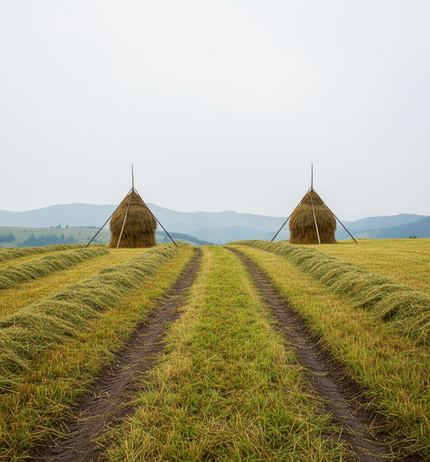
Across the Carpathians on foot
Romania · nine bases, walking, luggage moved for you
from $3,180 two sharing almost nothing of the shape left -
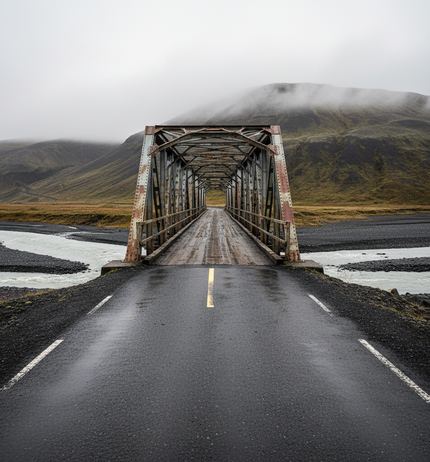
The ring road out of season
Iceland · eight bases, nine nights, driving every day
from $4,180 two sharing almost nothing of the shape left -
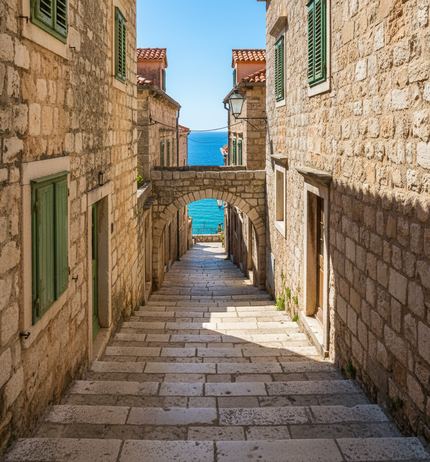
Down the Dalmatian islands
Croatia · six bases, twelve nights, ferries you buy yourself
from $3,080 two sharing almost nothing of the shape left -
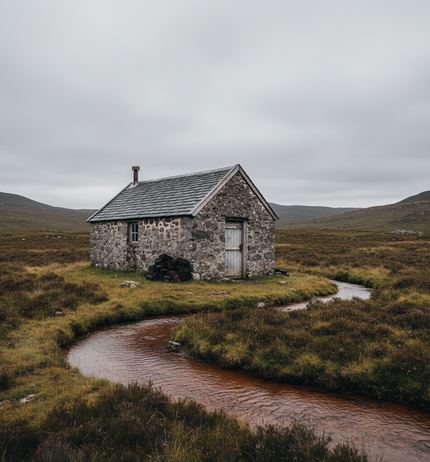
The northwest of Scotland, bothy to bothy
Scotland · eleven bases, twelve nights, carrying your own bed
from $2,870 two sharing almost nothing of the shape left
Ask for this change in writing
Not a cent moves through here. The supplier bills you under its own name, and what this office earns reaches it from that supplier weeks later.