Home / How far from the shape / Almost nothing of the shape left
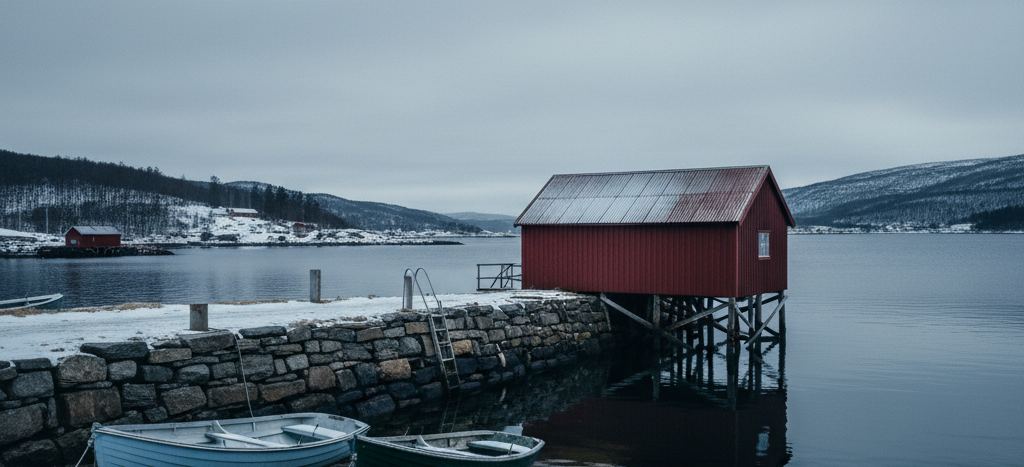
The far end of the how far index
Seven trips that keep almost none of the house shape, and how to reserve a vacation package through a Birmingham travel agency
Eight nights, one bed you unpack into once, a car, a two hour radius: this group keeps almost none of it. Seven trips where the bed moves most nights and the season is the point. What changes, what it costs, what tends to break, and how to reserve a vacation package through a Birmingham travel agency without pretending any of it is simple.
The 7 changes at this distance
-
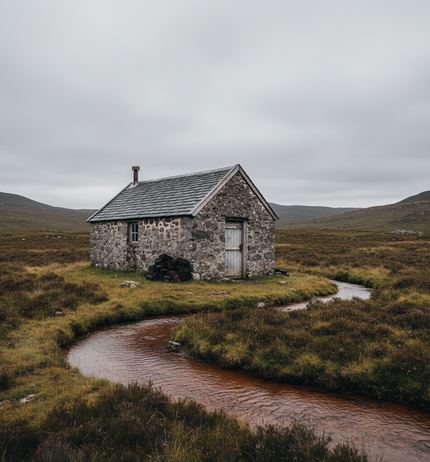
The northwest of Scotland, bothy to bothy
Scotland · eleven bases, twelve nights, carrying your own bed
from $2,870 two sharing almost nothing of the shape left -
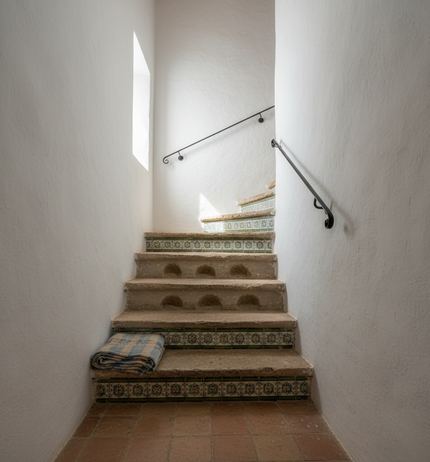
The white towns, one town at a time
Spain · seven bases, fourteen nights, buses
from $2,960 two sharing almost nothing of the shape left -
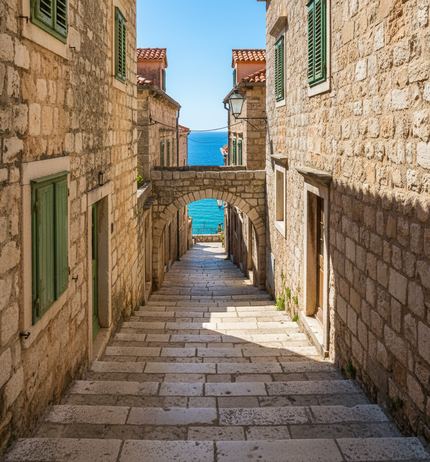
Down the Dalmatian islands
Croatia · six bases, twelve nights, ferries you buy yourself
from $3,080 two sharing almost nothing of the shape left -
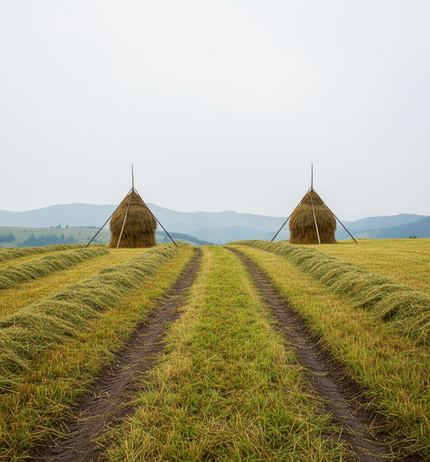
Across the Carpathians on foot
Romania · nine bases, walking, luggage moved for you
from $3,180 two sharing almost nothing of the shape left -
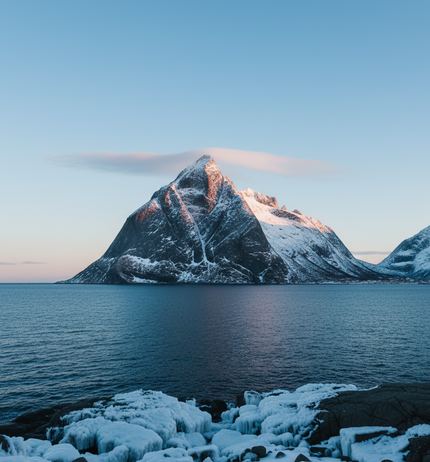
Lofoten in the dark months
Norway · four bases, seven nights, no daylight to speak of
from $3,960 two sharing almost nothing of the shape left -
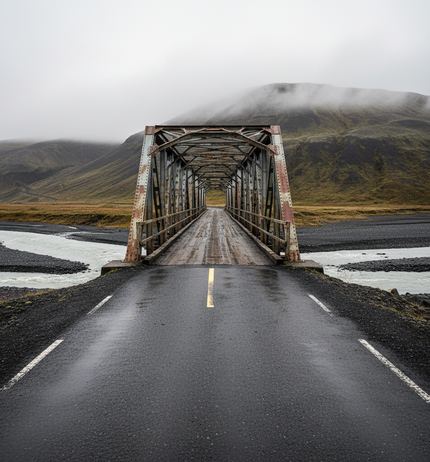
The ring road out of season
Iceland · eight bases, nine nights, driving every day
from $4,180 two sharing almost nothing of the shape left -
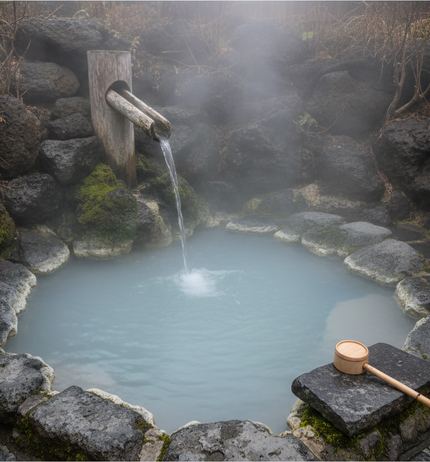
Kyushu, the hot spring line
Japan · six bases, sixteen nights, trains, no car, no fixed bed
from $5,240 two sharing almost nothing of the shape left
What comes off, and the two parts that stay
The house shape is eight nights, one base you unpack into once, a hire car, two hours from where you land, out every day and back to the same bed, shoulder season, two people, from $2,340. The seven trips gathered on this page keep almost none of it. The single base goes first, and once the bed moves the two hour radius stops meaning anything, because there is no fixed point left to measure from. The car goes with it on four of the seven and is replaced by a train line, a winter ferry timetable, a bus that runs twice a day, or boots. Shoulder season goes on two of them on purpose: the dark months in Lofoten and the ring road out of season are the trips they are because of when they happen, not in spite of it. Two parts survive. It is still two people, and it is still eight nights, give or take the walk that runs to eleven. Everything between those two facts is open, and each trip in the group states which part came off, what took its place, and what that did to the figure.
The people who end up at this end of the book
People arrive at this group with the request phrased as a refusal. They do not say they want the Carpathians; they say they cannot face another week of driving out and back to the same hotel. That is useful information, and on the first call it is usually the whole brief. Two things the office has learned to raise early. The first is that a running order on paper reads differently from the same run of nights described in a paragraph. Set out with the hour each move takes and the bag going with it, a plan of seven or eight beds quite often comes back marked down to five or six. The people who leave it at eight are usually the ones who have carried a pack for a week before and know precisely what they are agreeing to. The second is that two travellers often want different amounts of this, and it does not come out if they are asked together. So they are asked apart, in plain terms: how many mornings do you want to pack. A trip built on the average of two answers suits neither person, and September is a sensible time to find that out rather than the third morning in a hill shelter.
Where eight moving nights go wrong
At this distance from the house shape the failures are logistical, and they are boringly predictable. Luggage is the first. A bag that is fine in one base becomes the main event when it is lifted eight times, and the small inns on two of these routes have stairs and no lift. Timetables are the second: sailings and rural buses can halve between October and March, and the version printed in summer is not the version that runs. Third, small places keep minimum stays, so a plan of one night per bed collides with a two night rule and quietly breaks the four nights after it. Fourth, some of the sleeping on the Scottish route cannot be reserved at all, because those shelters stand open to whoever reaches them. What the office does about it is dull, and most of it happens before anything is confirmed. The order is built backwards from the fixed points, the ones that cannot move. Any run of more than six beds carries a slack night. Suppliers who go quiet between November and March are telephoned rather than emailed. Nothing is confirmed until the whole chain holds in writing, because at this length one unanswered link is not a small problem.
Between $1,980 and $5,240, and the four things that set it
For two people, the trips in this group run from about $1,980 to about $5,240. The house shape starts at $2,340. The spread here is wide because the parts that moved are the expensive ones. Four things drive the figure. Nights, which run from eight to eleven in this group. The number of beds, since every move costs a transfer and often half a day. What the sleeping is: an inn on a hot spring line, a family run guesthouse in a white town and an unlocked stone shelter are three different lines in a budget. And season, which cuts both ways, since winter rates in the north sit under summer ones while the daylight available to spend is short. A figure at the low end is not a saving. It buys a different holiday, usually one where you carry your own food and the day is long. The quote covers what the quote lists and nothing further: your own flights are yours, meals are set out line by line, and anything bought at the far end is yours as well. Cedar Passage handles none of the money at any stage.
What this distance raises
- Are these the hard ones?
- It is the changeable end, which is not the same thing. Two of the seven involve carrying a pack across a mountain range for days. Two involve nothing more strenuous than a small ferry and a bag with wheels. What they share is a plan with more moving parts, so more of the week rests on timetables and weather that nobody at this office controls. If you would rather have fewer moving parts, the other groups in this index cover several of the same countries with the bed standing still.
- Do you arrange the flights and the ferries?
- No, and there is no mechanism here to do it. Nothing that flies and nothing that floats is sold from this office, and no agreement exists with anybody who runs either. You buy your own tickets. What comes from here beforehand is a note on which airport and which arrival window leaves the first night intact, sent while you can still act on it. Three of the seven lean on a winter ferry, and for those the office reads the timetable actually running in that month, sets the nights around it, and marks the two or three sailings the whole chain hangs on. The crossing itself you pay for at the operator's own counter.
- If I pay the office nothing, how is it paid?
- Nobody here sees a card. The bed, the car, the guide and the local walking support are each sold to you by whoever owns them, on their own paperwork and in their own currency, and a percentage of that comes back here afterwards as the fee for the arranging. It does not sit on top of your figure. The office is independent of every supplier in this group, takes no deposit, holds no card details and has no mechanism to charge you for anything at all.
- What happens if weather closes one leg?
- Something on this list closes most winters, so the plan is drawn on that assumption rather than against it. The slack night described above is placed where it can be spent in either of two towns, and which two is decided when the itinerary is drawn rather than at the roadside. Every night on your sheet carries a name and a telephone number, so one change is one call rather than four. Forecasting is not part of what this office does and never will be. February is February, and nobody arranging holidays holds any more information about it than you do.